LICENSED OSTEOPATHIC PRACTITIONER
IVAN DUBEN
OSTEOPATHY & LYMPHATICS
Ivan Duben
D.O.M.P.
My focus in on improving blood flow in order to reduce symptoms of pain or tension. I am especially interested in improving lymphatic flow and opening detoxification pathways as a solution to many chronic issues.
Loss of adaptability in the body is responsible for many of the issues we attribute to ageing and my role is to remove patterns of tension in the organs and tissues of the body.I have success with liberating the deep restrictions inside the body as they are often the source of muscle and nerve pain. Lack of optimal blood flow creates patterns of inflammation, tension, and tissue contraction. When the body is under tension the added stressors of life only add to the symptoms. Let me help you remove the patterns and restore your sense of well being.

Thesis graduate (Osteopathy) and completion of a 5 year manual osteopathy practitioner training with the internationally renowned Canadian School of Osteopathy Manual Practice Vancouver Campus.
Society for the Promotion of Manual Practice Osteopathy member SPMPO website
Diploma in Osteopathic Manual Practice ( Canadian School of Osteopathy Manual Practice Vancouver Campus)
Certification in Hellerwork Structural Integration
Board Certified Structural Integrator and a member of the International Association of Structural Integrators (www.theiasi.org)
Certified Structural Medicine Specialist (www.structuralmedicine.com)
Canadian School of Osteopathy Manual Practice Vancouver Campus
Osteopathy can decrease sleep cycle movements in symptomatic postmenopausal women with sleep disturbances as measured by the actigraph sleep monitor.
by Ivan Duben
Presented: Vancouver, April 25, 2015
Please see Thesis Summary below to view details of my study.
Abstract: The author utilized the study protocol termed within subject design and 30 postmenopausal women with poor sleep quality were recruited to wear a validated Actigraph sleep monitor wristwatch (Sadeh, Sharkey, & Carskadon, 1994). The sleep monitors was worn for 6 consecutive nights of measurement. The first two nights were used to measure baseline sleep architecture and also included the Canadian School of Osteopathy Manual Practice osteopathic assessment on the first night. The first of two 90-minute treatments occurred on the third day and the final 90-minute treatment occurred on the fifth day. Participants returned the actigraph sleep monitor after 6 nights for data collection.
Introduction of Problem Statement: This particular population of women often complains of hot flashes associated with sleep disturbances. However there are studies that both correlate and dispute hot flashes as a primary cause of sleep disturbances (McAvey & Neal-Perry, 2010). Quality of sleep remains difficult to manage safely for many women during the climacteric stage and chronic sleep deprivation increases health risks. According to Cappucio, D’Elia, Strazzullo, and Miller (2010, p.414), the development of type 2 diabetes can be significantly predicted by the quantity and quality of sleep and the mechanisms behind this relationship may differ according to the specific sleep pattern.
Goal and Objectives: The goal of this study is to improve the sleep quality of postmenopausal women by improving the adaptability of the inherent physiology, which the author postulates can lead to decreased climacteric symptoms and improved sleep quality. The author chose to work on this subject because he believes that methodology of the Canadian School of Osteopathy Manual Practice—Vancouver Campus (CSO–VC)) can be a safe treatment solution to help improve the quality of sleep for women who pass through the climacteric stage and who can often suffer greatly from sleep disturbances, which can lead to insomnia and depression (Eichling & Sahni, 2005).
Current State of knowledge and Research justification: According to a systematic review and meta-analysis by Xu and Lang (2014) there is an independent relationship within stages of menopause and sleep disturbances that is beyond the effects of aging. There was also a higher occurrence of sleep disturbances in postmenopausal women compared to premenopausal women. This study by Xu and Lang only identified culture and ethnicity as cofounders to increased sleep disturbances and did not consider the concept of lack of physiological adaptability as a contributing factor. The author postulates that the CSO–VC methodology is ideal in its approach to restoring physiological adaptability to postmenopausal women with sleep disturbances. Lack of physiological adaptability may be an unexplored cofounder in sleep disturbances amongst postmenopausal women. A recent editorial in the publication Neuropsychopharmacology eloquently expresses the necessity to appreciate individual differences in a woman’s ability to adapt to stressors. McEwen (2000) states that there is a paradox within the general adaptation syndrome theory by Hans Selye (1936), specifically that the autonomic and adrenocortical systems act to protect the body from stress in the short run, but also can cause damage and disease when they are active over a long period of time. According the text Sleep Disorders Medicine, sleep is regulated by homeostasis and includes increasing sleep drive during continued wakefulness and circadian factors. Sleep is essentially caused by the cessation of sensory signals assailing the brain. This requires that the sympathetic tonus of the central nervous system be met with the available parasympathetic system to dampen sensory input (Chokroverty, 2009). The application of the CSO–VC methodology may be ideal for decreasing sympathetic facilitation and increasing parasympathetic tonus, which has possible implications for decreasing sleep disturbances in postmenopausal women. Arousals are transient phenomena resulting in fragmented sleep without behavioural awakening and will be defined as sleep disturbances for the purpose of this study.
Anatomy: The relevant anatomy includes the liver, diaphragm, stellate ganglion, hypothalamus, pituitary, kidneys/adrenals, thyroid and ovaries. There are many ways in which each one of these structures could be lesioned indirectly by surrounding structures or directly through trauma. There are different variables that influence each woman uniquely and there may also be certain pre- pathological trends that are worth considering in how the individual is able to adapt to the stressors of the climacteric period.
Methods: The practice and methodology of general osteopathic techniques as taught by the Canadian School of Osteopathy Manual Practice–Vancouver Campus. The research method will be comprised of general osteopathic assessment prior to osteopathic treatment intervention, utilizing the methodology of assessment and prioritization of lesions developed by the CSO–VC (Appendix A). Given the serious consequences associated with sleep deprivation, patients may benefit from a concentrated treatment application of three hours of treatment within two days. The goal of this concentrated treatment application is to trigger a change in the physiology away from allostatic load, which is defined by Shulkin (2004, p.78) as the integrated output of physiological systems that negatively affect the body as it tries to adapt repeatedly back towards homeostasis.
Study Design: This research is a within subject design and time series. The study will consist of a baseline measurement, two treatment interventions and post-treatment measurements. This study duration is six nights in total: two nights with a base line measurement and four nights post treatment measurements. Participants are assessed and a medical history interview takes place on night number one. Participants return on night’s number three and five for a 90-minute treatment.
Subjects: All participants in the study will be symptomatic, non-surgical postmenopausal women, not limited by age or race, with an accompanied PSQI sleep score of greater than 5 and a score of greater than “0” on the GCS. A medical intake form will be used to identify other concerns that could be contributing to poor sleep or potential medical conditions that would require consulting a physician (Appendix G).
Independent Variables: The independent variable is one 90-minute assessment and two 90-minute treatments within one week. Each visit is two days apart. The assessment and treatments will be performed according to Canadian School of Osteopathy Manual Practice–Vancouver Campus methodology (Appendix A).
Dependant Variable: The dependent variable is the decrease in sleep cycle movement as measured by the validated Actigraph sleep monitor (Appendix I). A secondary dependant variable will be the validated Green Climacteric Scale (GCS) is used with permission (Appendix K).
Measuring Devices: A validated Sleep Quality Index (Buysse, 1989), (Appendix D).The Green Climacteric Scale (GCS) is used with permission (Appendix K) and is a standard measure of core menopausal symptoms or complaints. The ActiGraphTM wrist watch sleep monitor has been validated in a comparative study with the “gold standard” polysomnography (PSG) and had a value of 97 percent when using the Sadeh algorithms against a PSG (de Souza, 2003).The National Sleep Foundation sleep diary was obtained from the National Sleep Foundation (NSF) website (Appendix L).
Bias and Ethics: The author will blind himself from all data collected by the ActiGraphTM for the duration of the one-week study, as the sleep monitors are without a display and data can only be viewed in a read-only format once it is downloaded at the end of the study. Titles from the Greene Climacteric Scale and the Pittsburgh Sleep Quality Index will be removed so that participants will
not be biased when completing the questionnaires, which are to be handed in at the end of the study.
Data Analysis: The sleep analysis report will be delivered to the statistician to formulate final analysis. Data from the ActiGraphTM are processed by the ActiLife 6 software, which downloads all data collected. ActiLife 6 is used to prepare ActiGraphTM devices for data collection and to download, process, score and securely manage collected data into a sleep analysis report. ActiLife 6 contains the independently validated, industry standard Sadeh and Cole Kripke algorithms (Sadeh, 1994).
Results: There was no significant decrease in sleep disturbances present in the data, which included all of the 30 study participants. For this reason subgroups were created by the author and studied separately by the statistician utilizing a linear regression. The linear regression compared nights three, four, five and six against age of the participants, GCS score totals; PSQI score totals and body mass index (BMI) score totals. Although linear regression analysis determined that there was no statistically significant data,but there was a measureable trend within the (p-value=0.058) linear relationship between actigraph data at night 6 post-treatment and the women with BMI of 25 and over. This means that there was no change in sleep disturbances for nights three, four and five, but there was finally a measureable change at night six, however only with the women who had a BMI of equal to or higher than 25. A BMI of 25 of higher is considered overweight. Inferential statistics were compiled using the validated Greene Climacteric Scale (GCS), which were completed pre-study and again following night 6 post-treatment. A paired t-test was used to compare mean GCS scores pre- and post-treatment. The paired t-test showed a statistically significant difference (p-value <0.0001) in mean scores between pre- and post-treatment GCS scores (mean 8.6667, 95% CI (-11.6172, -5.7161)). This means that the symptoms of the climacteric stage measured pre-treatment had significantly decreased post-treatment.
Discussion: All 29 participants reacted with very little variability to the treatments, which supports the author’s notion that the CSO–VC methodology was applied consistently for each participant regardless of individual physiological circumstances. There were no adverse reactions to the osteopathic treatments such as increasing sleep disturbances. There were only two women out of 29 who reported worse scores post-treatment on the GCS, which indicates that climacteric symptoms had worsened. This left 27 out of 29 women with a significant improvement in climacteric symptoms according to the validated GCS. There was no correlation for the two women who reported an increase in symptoms with any increase in sleep disturbances present in the data analysis. This was also supported by the fact that there was so little variability among all study participants. There was also no correlation between the remaining 27 women, representing 90% of participants, who reported improved symptoms with the GCS recorded in the actigraph sleep data. This indicates that the subjective changes of improved symptoms were not expressed with decreased sleep disturbances for the first five nights as the body was likely still in allostatic load resistance and needed more time or more treatments to change.
On the sixth night, the participants with higher Body Mass Indices began to show a trend of a decrease in sleep disturbances likely due to the fact that the higher Body Mass Index (BMI) contributed to more stress on the physiology. The BMI is a scale that uses a weight-to-height ratio, which is then calculated by the division of a participant’s weight in kilograms against the square of one’s height in meters. This measurement is used as an indicator of obesity or, conversely, of being underweight. The data revealed that participants with a BMI of 25 or more, the threshold for indicating obesity, were the first to respond to treatments; it can be said that they seemed to have required fewer treatments to establish a trend of a decrease in sleep disturbances than participants with a lower BMI. Since there was very little variability between all participants, indicating that there was very little change in the way that each participant responded to the treatments, the author postulates that the treatments were consistently applied according to individual needs. The approach by the author did not change during the experiment regardless of the circumstances or lesions present. The author believes the methodology of the CSO–VC was applied safely and appropriately according to available patient vitality
Conclusion: The hypothesis presented by the author states that osteopathic treatment can decrease sleep cycle movement in symptomatic postmenopausal women with sleep disturbances as measured by the Actigraph sleep monitor. The hypothesis was null as no significant data collected by the actigraph sleep monitor was measured. There was however significance in the Greene climacteric index used to measure menopausal symptoms. Although the original hypothesis did not include the linear comparison of BMI scores, the final data revealed a measureable trend towards less sleep disturbances for this population of a BMI of 25 or more.

Treatments
Osteopathic Practitioners do not diagnose or practice medicine. Always consult a physician for any disease concerns prior to exploring osteopathic care. Osteopathic practitioners use hands on techniques designed to alleviate tension and improve circulation and do not attempt to treat disease.
TREATMENTS OFFERED:
- CONCUSSIONS, MIGRAINES or HEADACHES
- EDEMA (FLUID RETENTION/SWELLING)
- ACID REFLUX
- EXEMA and/or PSORIASIS
- AUTOIMMUNE RELATED CHRONIC BODY PAIN
- POOR SLEEP QUALITY (both falling and staying asleep)
- DIGESTIVE ISSUES (bloating, bowel complaints)
- SHORTNESS OF BREATH, CHEST TENSION
- BLOOD PRESSURE IMBALANCES
- NECK & SHOULDER PAIN
- FROZEN SHOULDER
- LACK OF ENERGY or IMMUNE RESILIENCY
- RESTLESS LEGS
- FERTILITY RELATED COMPLAINTS
VIEW A VIDEO ABOUT OSTEOPATHIC CARE
This video by Osteopathy BC, the provincial regulatory body, describes the practice of Osteopathy for patients.
To learn more about Osteopathy, visit the Osteopathy BC website here.
TREATMENT RATES & LOCATION
Appointments
As of September 1st, 2026
Cancellation Policy: Please note that 24 hrs notice is required to avoid being billed in full for any missed appointments
RCMP Members are now fully covered under Medavie + Blue Cross, providing they have a doctor’s referral
Find My Studio
IVAN DUBEN OSTEOPATHY
#6, 2230 – 3rd Ave
Vancouver, BC
V6K 1L4
My studio is located in the Kitsilano neighbourhood of Vancouver. There is on-street metered parking.
Circulation and Healthy Aging
AGING WELL
There are several factors involved in aging well. Health oriented lifestyle, connection to community, regular movement, regular brain stimulating activities and likely the most consequential being circulatiion. Optimal circulation is the key to homeostasis and the ability to live with greater ease and less chronic or debilitating health issues. Based on my clinical observations I have below a list of common ailments or complaints readily addressed by utilizing my approach to osteopathic care.
- Difficulty falling asleep or being awakened after only a few hours
- Swollen calves, ankles and feet
- Signs of poor circulation such as varicose veins with excessive bruising or pooling of blood leading to redness at the lower leg and ankle
- Anxiety can often be attributed to poor circulation as the individual can have a sense of impending doom
- Vertigo and balance issues can often be attributed to poor circulation into the brain
- Heart related or cardiovascular issues such as chronic pneumonia or bronchitis that do not seem to respond to antibiotic usage is often a case of poor circulation including suboptimal lymphatic drainage
- Muscle aches and fatigue can also be the result of poor circulation.Often what is categorized as arthritis is more likely just inflammation. Inflammation lingers in the body when we do not move enough to help the lymphatic system detoxify
- Chronic pain in the shoulder, mid back, lower back and knees is often all connected to poor circulation. when muscles do not receive ample blood they can tighten and activate the nerve in the area
- Headaches and migraines can commonly be attributed to upper neck tension leading to poor circulation to the brain. Poor circulation to the brain is linked to degenerative issues involving the eyes, ears and cognitive functions
- Postural changes leading to forward bending and appearing to be getting shorter can also be linked to poor circulation
Watch a video explaining the role of circulation in health and aging. Learn how chronic pain and many health concerns associated with aging are linked to a gradual loss of circulation. The result is a gradual change in posture as well as an increasing presence of dysfunction with the heart, lungs, liver and overall mobility. What is commonly perceived as aging can be altered to have less of an impact on health and posture.
The following is based on my 11 years of clinical practice and research regarding the stages and trends that are described as ageing. Each person will arrive at the senior years with their own health history, body type, level of fitness and overall health. Obviously genetics play a role but they are not as deterministic as epigenetics, which is the study of the effects of our environment or surroundings on our genes and potential health outcomes. The reality is that how we choose to live in our bodies and the impacts of living will be imprinted within all our tissues. Every fall or accident or surgery leaves an imprint in the tissues. sometimes in the form of scars or just hard dense tissue’s or muscles. A lifetime of being exposed to toxicity from our environment, processed foods and lifestyle choices such as drinking or smoking, we carry this forward into our senior years. Then we have the effects of stress and trauma to add into the fold. Prolonged stress can create toxicity via hormones such as cortisol and lead the body into allostasis and metabolic disease.
Looking back at our health history stating from around 40 years old we can begin to see the early patterns of disease creeping in. When we ignore root causes of metabolic dysfunction such as elevated blood pressure, blood sugar imbalances, elevated cholesterols and hormonal imbalances we will eventually arrive at some type of degenerative disease process. Although we live longer with the assistance of modern chemistry perscriptions we do not necessarily enjoy an acceptable quality of life. Overtime the body and brain begin to break down, but not equally among individuals. some people do well in aging such as those who live and thrive in “blue zones”.
Although as a health practitioner my approach cannot reverse the reality of aging I have certainly supported seniors in reducing the burden placed on their bodies in an effort to improve the quality of life they may have left. Having witnessed many patients who suffered greatly in the last few years of their lives I committed myself to improving their circumstances by utilizing osteopathic care.
The one and only priority is to improve blood flow and open up the detoxification pathways, thereby reducing excessive swelling or edema, inflammation, chronic pain, shortness of breath, sleep disturbances, anxiety and immune deficiencies resulting in chronic infections. Bladder infections and respiratory infections are rampant in the elderly and often these situations can be avoided when the body is allowed to support blood flow and detoxification.
When the body feels better then moving becomes easier, energy improves and a sense of despair decreases. Nothing is worse than needless suffering in the latter years.
Health at Home
MOBILE WELLNESS
Health at Home Mobile Wellness Service In-home support for seniors in decline and families navigating healthy aging with more clarity, function, and confidence.
A personalized mobile wellness service combining functional movement therapy, nutritional support, healthy lifestyle guidance, and osteopathic manual therapy with a focus on circulation and lymphatic support.
We support mobility, posture, balance, strength, nourishment, comfort, and daily function in the home environment. • Our approach is whole-person and practical, designed to meet seniors where they are and provide families with trusted support that fits real life.
Many seniors experience a gradual decline in movement, circulation, energy, resilience, and independence. Families often struggle to find support that is both compassionate and comprehensive. • Our mission is to help seniors maintain dignity, function, and quality of life at home through integrative care that supports the body as a whole and helps families feel less overwhelmed.
In-home wellness and functional aging assessments. • Mobility, balance, gait, posture, and strength support for daily life. • Nutrition support for healthy aging and chronic conditions, including simple meal, hydration, and lifestyle guidance. • Osteopathic manual therapy with circulation and lymphatic support. • Family guidance and practical recommendations. • Each care plan is adapted to the individual’s health history, current abilities, goals, and stage of decline.
Judy Chambers, RNCP, CPT, FMS 2 is a Registered Holistic Nutritionist, Certified Personal Trainer, and Functional Movement Specialist. Through Dynamic by Nature, she helps clients improve health through natural nutrition, functional movement, strength, mobility, and sustainable daily habits.
Ivan Duben, DOMP is an Osteopathic Manual Practitioner with a focus on circulation and proper lymphatic function. His work supports fluid movement, tissue health, posture, comfort, and mobility as part of a broader healthy aging approach.
Judy Chambers, RNCP, CPT, FMS 2
www.dynamicbynature.com
Tel.604-250-9999
Email info@dynamicbynature.com
Ivan Duben, D.O.M.P
Tel. (604) 240-2444
Email info@ivanduben.com
The Tree of Life
LYMPHO-VASCULAR TERRAIN
Osteopathic Practitioners do not diagnose or practice medicine. Always consult a physician for any disease concerns prior to exploring osteopathic manual therapies. Osteopathic practitioners use hands on techniques designed to alleviate tension and improve circulation and do not attempt to treat disease.
My Goal is to assess the state of the tree of life (lympho-vascular terrain) and its ability to deliver blood from the heart to the rest of the body and organs. I also want to ensure that the blood can come back to the heart from all areas of the body. The arteries and veins are designed like a tree trunk with branches when you look inside the body.The lymphatic system purposefully wraps around and is entangled with the arteries, veins and all connective tissues of the body. All of the arteries, veins, lymphatic structures, and tissues, form together to make the lympho-vascular terrain.This lympho-vascular terrain ensures proper function of health since a problem with any part of the terrain can manifest as pain or dysfunction. Chronic pain and many health problems are often due to hidden inflammation, congestion, and edema. Lack of adequate blood flow limits the lymphatic systems ability to manage inflammation. Prolonged inflammation creates tissue degeneration and further breakdown of the lympho-vascular terrain. When the ecosystem of the body breakdown the dynamics of health will also breakdown.
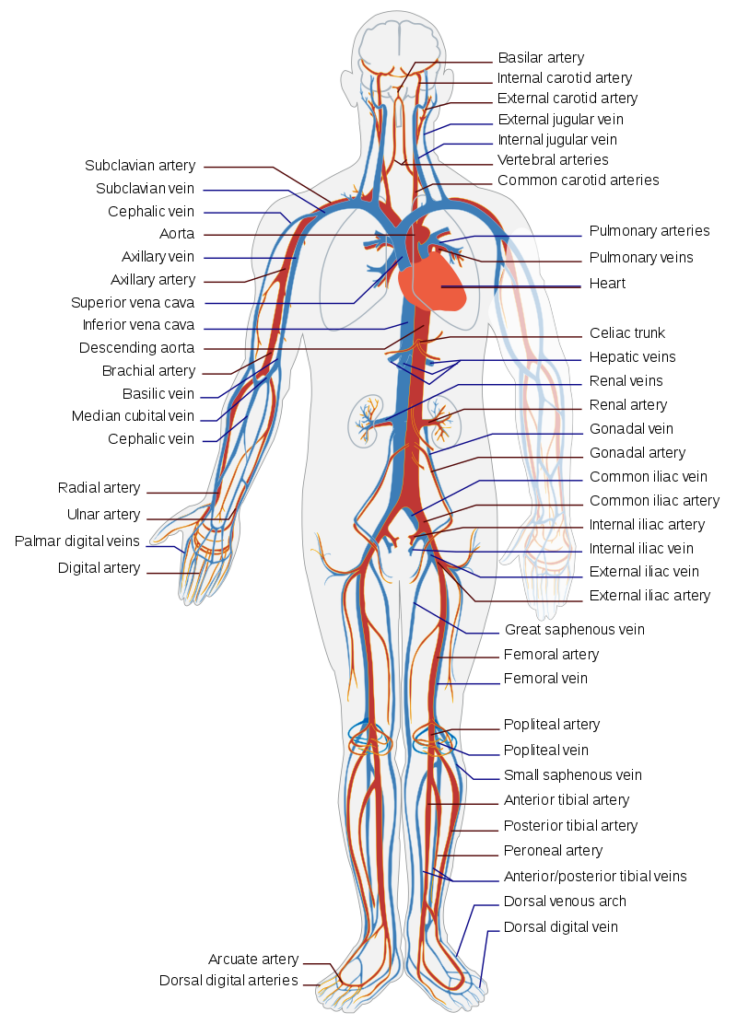
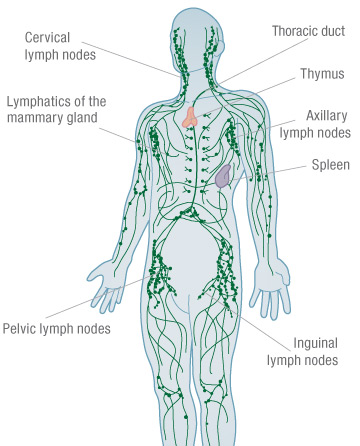
A critical part of health is the physiological act of detoxification working 24 hours a day. The lymphatic system and its associated organs of detoxification such as the skin, lungs, liver, kidneys, small intestine, large intestine, spleen, thymus, lymphatic vessels, and all mucosal linings assist in removing inflammation and toxic debris from the respective tissues of the body..All of this takes place in the endothelial, epithelial and interstitial tissues in the body.
A great number of health issues can be attributed to the poor functioning of the lympho-vascular terrain and its ability to supply adequate amounts of blood to and from an area. Over time, the body will struggle to function well and symptoms will begin to surface.
- Edema or swollen feet or arms, often referred to as being puffy
- Pain in joints from hidden inflammation, which is often worse at night or in the morning upon waking, often described as arthritis
- Headaches
- Psoriasis, eczema
- Chronic coughs that persist for weeks
- Antibiotics resistance and chronic infections
- Allergies
- Bloating and/or gas is often accompanied by microbiome dysfunction
- Constipation or diarrhea
- Tension between the shoulder blades and neck, often accompanied by cardiovascular dysfunction
- Low back pain
- Knee pain
- Autoimmune disorders
- History of cancer
- Sleep disturbances, such as waking up around 3am
In short, whenever something has been diagnosed as an “itis” such as bronchitis or gastritis there is likely a breakdown of lympho-vascular terrain. The body behaves like a closed interconnected ecosystem and congestion and inflammation resemble a toxic swamp, instead of a wetland. A swamp has little or no circulation or fresh water, the longer it sits the more bacterial over-growth. A wetland on the other hand has a supply of fresh water supporting the terrain and this helps keep the unfriendly types of bacteria from damaging tissues. My goal is to drain the swamp. I do not treat the “itis” or the disease, I merely improve the terrain so that the “itis” no longer has a reason to exist.
LYMPHATIC
EDUCATION VIDEOS
The following presentations are devoted to exploring the intricate relationships between the lymphatic system and the circulatory system. Most importantly it uncovers the deeper lymphatic system that is often responsible for many chronic health complaints, tissue degeneration and disease. Each video presentation covers different aspects of the lymph-vascular terrain. The material is rich with content and it is ideal for health practitioners who crave more insight into the realm of the lymphatics.
Educational goals: Presenting a three-dimensional view of the lympho-vascular terrain and the existence of a deeper lymphatic system, which is separate and connected to the superficial lymphatics. This will include a general view of the anatomy and physiology associated with all the lymphatic structures, the vascular tree, and the interstitial/connective tissue systems. The inspiration for this exploration comes from Dr Still and his insistence that the artery be always considered as supreme. In this lecture the vascular tree is the central theme used to elucidate the comprehensive lymphatic system that surrounds it throughout the entire body. The lymphatic terrain will be overlayed on top of the vascular tree and studied in the context of recent osteopathic perspectives and historical precedence. Following this lecture participants can better appreciate the possibilities of influencing the function of the lymphatics along with the potential of opening the various detoxification pathways. The course will offer the opportunity to change the context of what is under the practitioners hands.
Educational goals: This lecture will reveal the role of managing the lympho-vascular terrain in order to influence the homeostasis mechanisms by reducing the resistance forces accompanying excessive allostatic load. In addition, there is a focus on the implications of non-injury related general edema and hidden inflammation on the health of the body ecosystem. Topics also include harnessing the connective tissue intelligence and taking into consideration the implications of hidden pressure gradient imbalances working together with tensegrity forces as they organize around the vascular tree. This lecture also explores the health dynamic as it pertains to immune resiliency, chronic health complaints, and lifestyle accumulated dysfunction that are increasingly becoming more pervasive and can be rooted in lympho-vascular terrain dysfunction. The lympho-vascular terrain is where the body’s health dynamics play out in conjunction with the microbiome, structured water phenomena and various mucosal biofilms. 2 hours of CE credits
Educational goals: This lecture will present the anatomy and physiology of the cranial and cervical lymphatic terrain. There is also an emphasis on how pressure gradient imbalances and tensegrity issues have a direct impact on the functioning of the lympho-vascular terrain and the PRM of the cranium. Adequate cranial and cervical detoxification requires understanding the vital components of the lympho-vascular terrain such as the glymphatic, mucosal, thyroid, and deeper cervical lymphatic structures that are not often well understood in the context of manual therapy. Exploring the cranial and cervical vascular tree anatomy reveals the nature of the intrinsic biological motions within the cranium as it works to maintain health and proper detoxification. The material covered is useful in that it may help to explain the health dynamics behind the rising incidents of cognitive decline, degenerative mental health issues, and as to why there is often only limited recovery from concussions. Topics also cover the cost of hidden inflammation and blocked detoxification pathways. 2 hours of CE credits
Educational goals: This lecture will tie into the previous section of the cranial and cervical lymphatic terrain. The mediastinal lympho-vascular terrain is intrinsically connected to the health dynamics of the cranial sphere and will be presented as such. The anatomy and physiology of the mediastinal lympho-vascular terrain exposes the deeper lymphatics of the heart, pericardium, esophagus, trachea, lungs, and diaphragm. Pressure gradient and tensegrity imbalances are shown to influence the local and general terrain of the body. The deeper lymphatic structures, mucosal biofilms, and superficial lymphatics, all coalesce to form a terrain full of dynamic fluid flows and detoxification pathways. Hidden inflammation left over from decompensated lymphatic flow and inadequate detoxification leave the mediastinal region vulnerable to infections and degenerative conditions. Understanding the detoxification pathways and the role of correcting pressure gradient/tensegrity imbalances can restore optimal flow and tissue resiliency. Many chronic “itis” symptoms are rooted in the presence of hidden inflammation, the loss of axis for respective organs, and the loss of optimal shape and tone. 2 hours of CE credits
This presentation is part 5 of the lympho-vascular terrain series. The liver is the principal organ of the human body supporting metabolism, detoxification, immunity, and digestion. This material will present the liver as a functional and physiological “hub” for the entire lymphatic network. The liver qualifies as a type of metabolic sponge whose shape, position, tone, and level of availability is critical in managing pressure gradient imbalances, lymphokinesis, and homeostasis.The functional relationship of the liver to the diaphragm, stomach, and spleen can be limited due to tensegrity imbalances and/or adhesions of connective tissues. Many chronic health issues are rooted in the altered size or shape of the liver leading to lack of adaptability. One example covered will be from osteopath Frank Millard and his view of the “hibernating liver”, as well as connecting “frozen shoulder”, eczema, and gout to liver lympho-vascular terrain dysfunction.